Last updated: · Reviewed by Joachim Louw, CEng MIEI
StructuralEngineer.ie is a Chartered practice providing a structural engineer for cracks in homes across Dublin, Kildare, Meath and Wicklow. Joachim Louw (CEng MIEI) inspects the cracking, grades it by width and pattern, works out the cause (shrinkage, thermal movement, settlement, subsidence, heave or pyrite) and puts the answer in a written report: what it is, whether it is getting worse, and what to do.
Irish guides put an initial crack or subsidence investigation and report at about €600–€1,200, with monitoring extra if needed. Your fee is fixed in writing before the visit.
What happens on the first visit
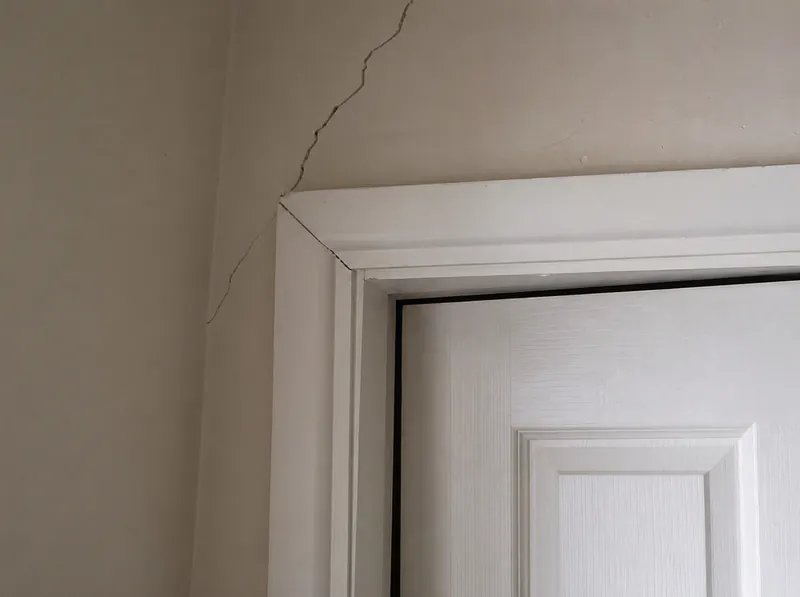
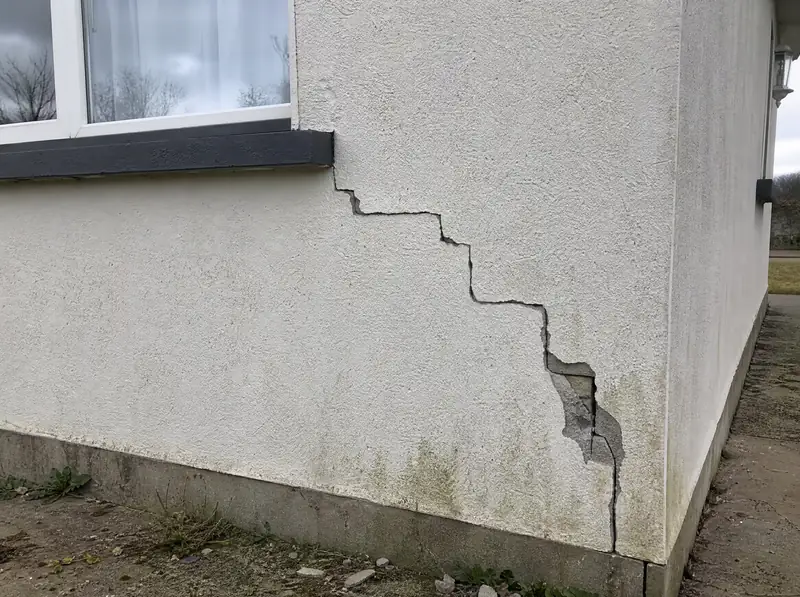
On the first visit the engineer maps every crack, not just the one that worried you. Width, direction, taper and location together point to the cause. Stepped cracks at corners mean something different from vertical cracks at a window or horizontal cracks at floor level.
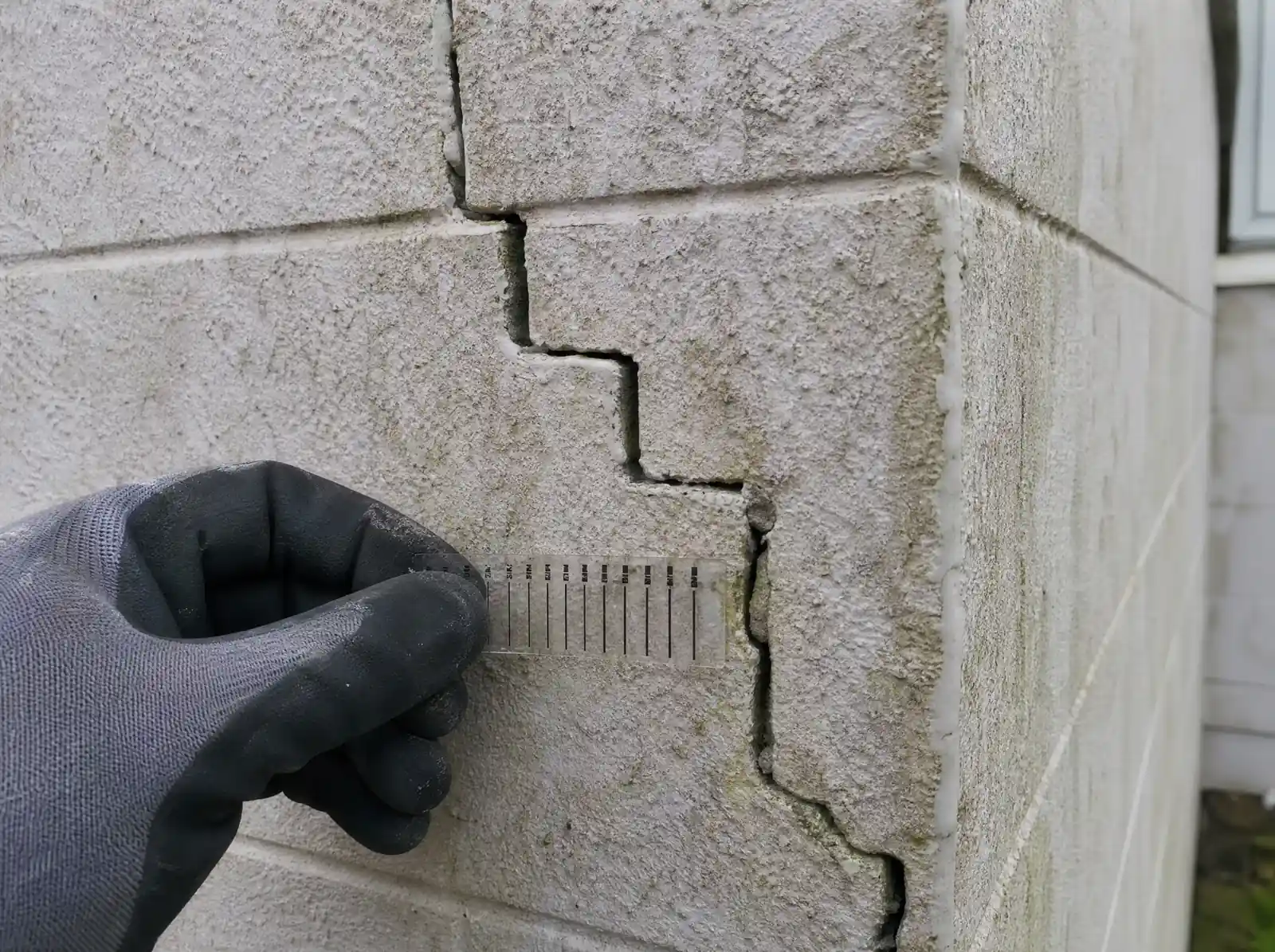
- Measure crack widths and record whether they taper, and in which direction
- Map the cracks on each elevation and inside to see the pattern
- Check doors and windows for sticking, and floors for slope or lift
- Look for trees, drains, leaking gutters and recent extensions near the cracking
- Ask when the cracks appeared and whether they open and close with the seasons
- Check for previous repairs that may have been filled or plastered over
How cracks are graded
Engineers in Ireland and the UK grade visible crack damage using the BRE Digest 251 categories, from 0 (hairline, negligible) to 5 (very severe, major repair). Categories 0 to 2, up to about 5 mm, are usually cosmetic and can be filled and redecorated. Category 3, about 5 to 15 mm, needs opening up and some repair work. Categories 4 and 5, above about 15 mm, involve structural repair.
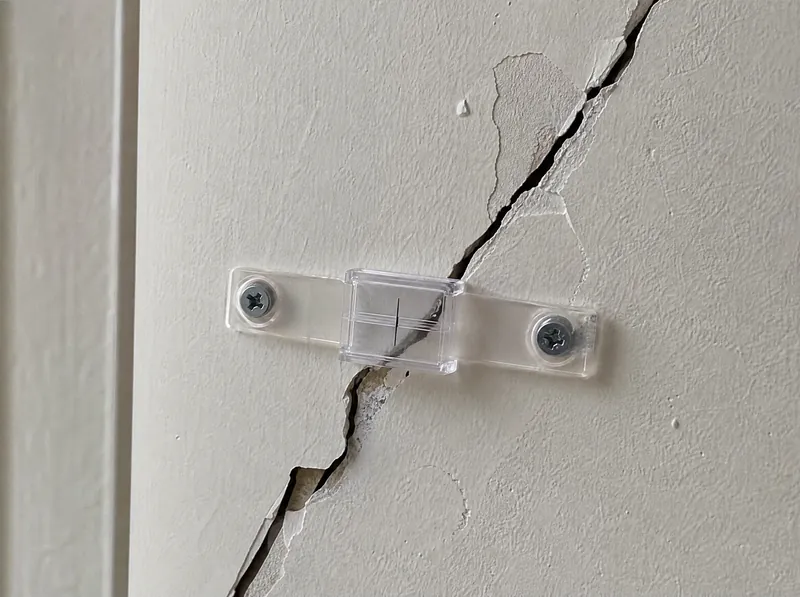
Width is only half of it. A 2 mm crack that has grown over a winter matters more than a 4 mm crack that hasn't moved in twenty years. Where the cause isn't clear, tell-tales or measured points are fixed across the cracks and read over several months.
Common causes in Dublin houses
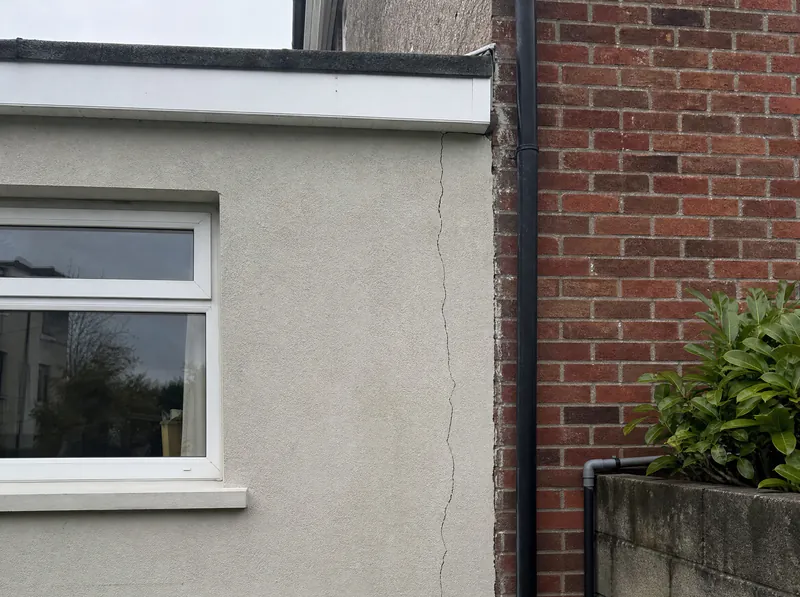
Shrinkage and thermal cracking: fine vertical cracks in blockwork, at window corners and at junctions of different materials. Common in newer houses as the blockwork dries out. Usually cosmetic.
Settlement and junction cracking: cracks where an extension meets the original house, because the two foundations moved differently. Often stable once the new part has settled.
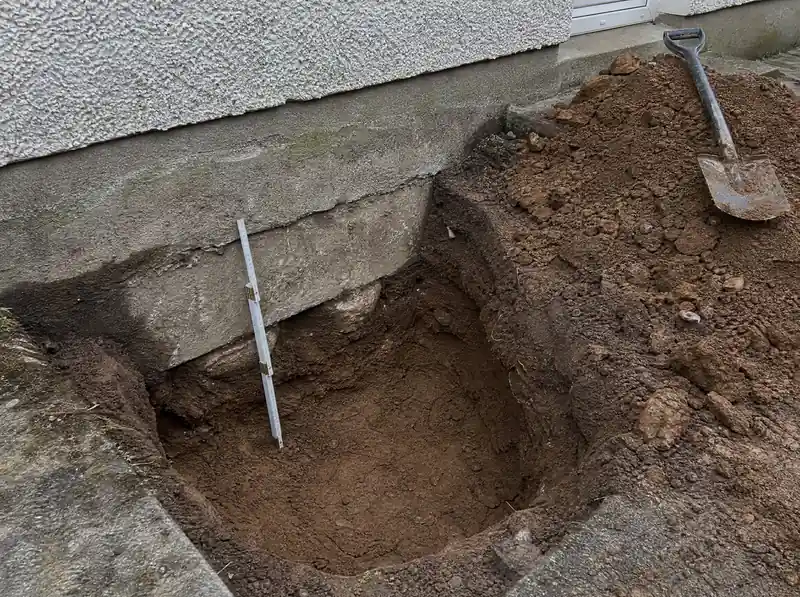
Subsidence and heave: stepped cracks wider at the top or bottom, doors sticking, worse after dry summers. Linked to clay soils, trees and leaking drains.
Pyrite heave: in 1990s–2000s houses in north Dublin, Meath, Kildare and Offaly, reactive hardcore under the ground-floor slab expands. Cracks show in internal walls just above floor level, and the slab lifts. The assessment route is set out in I.S. 398-1.
Insurance, buying and selling with cracks
If you suspect subsidence, tell your insurer early. Most home policies cover subsidence with a specific excess, often €1,000–€2,500. The insurer will appoint its own engineer, and an independent report gives you a basis to discuss its findings. Disputes often turn on whether the damage is 'subsidence' or excluded 'settlement'.
If you are buying, a crack report before contracts are signed tells you what you are taking on. If you are selling, a report on known cracks can stop a sale stalling when the buyer's surveyor finds them.
Not sure if yours is serious? Try the crack assessment checklist, or read are cracks in walls serious?
What's included
- Inspection by a Chartered Engineer
- Crack mapping inside and out
- BRE Digest 251 damage category for each area
- Diagnosis of the likely cause
- Check of trees, drains and nearby works
- Monitoring plan where the cause is unclear
- Written report with clear recommendations
- Repair specification if repair is needed
Typical market range: €600–€1,200 (crack investigation and report; monitoring extra where needed). Source: Banrach subsidence cost guide, 2026. Fixed fee confirmed in writing before the visit.
Fill and paint, a builder's opinion or an engineer's report
Cracks get covered up all the time. The question is what you can show an insurer, a buyer or yourself.
| Check | Fill and paint | Builder's opinion | Chartered Engineer's report |
|---|---|---|---|
| Cause identified | No | guess | Yes |
| Damage category recorded | No | No | Yes |
| Movement monitored where needed | No | No | Yes |
| Report an insurer or buyer will read | No | No | Yes |
| Repair specified to fix the cause | No | sometimes | Yes |
| Cracks that come back | likely | possible | addressed |